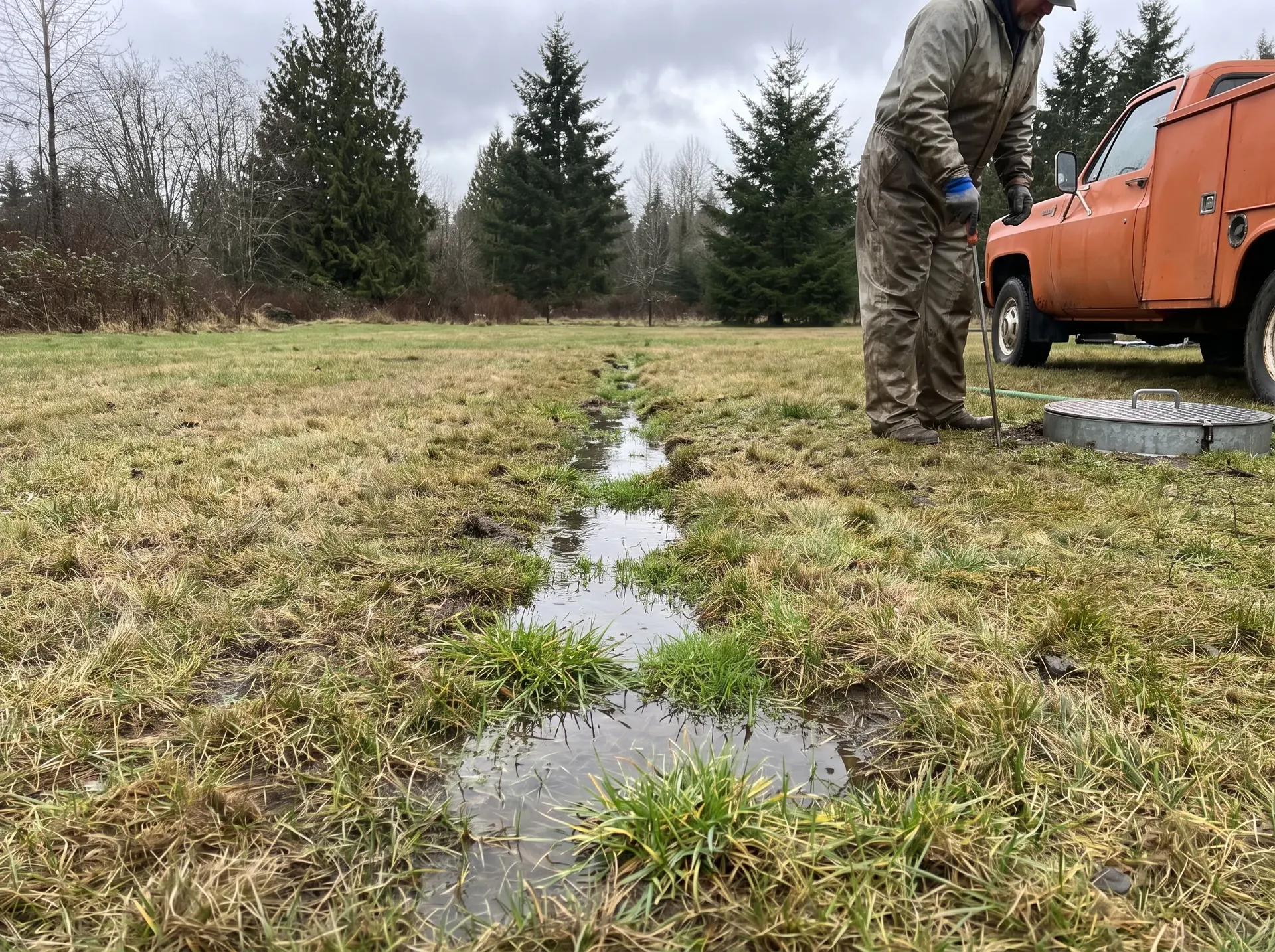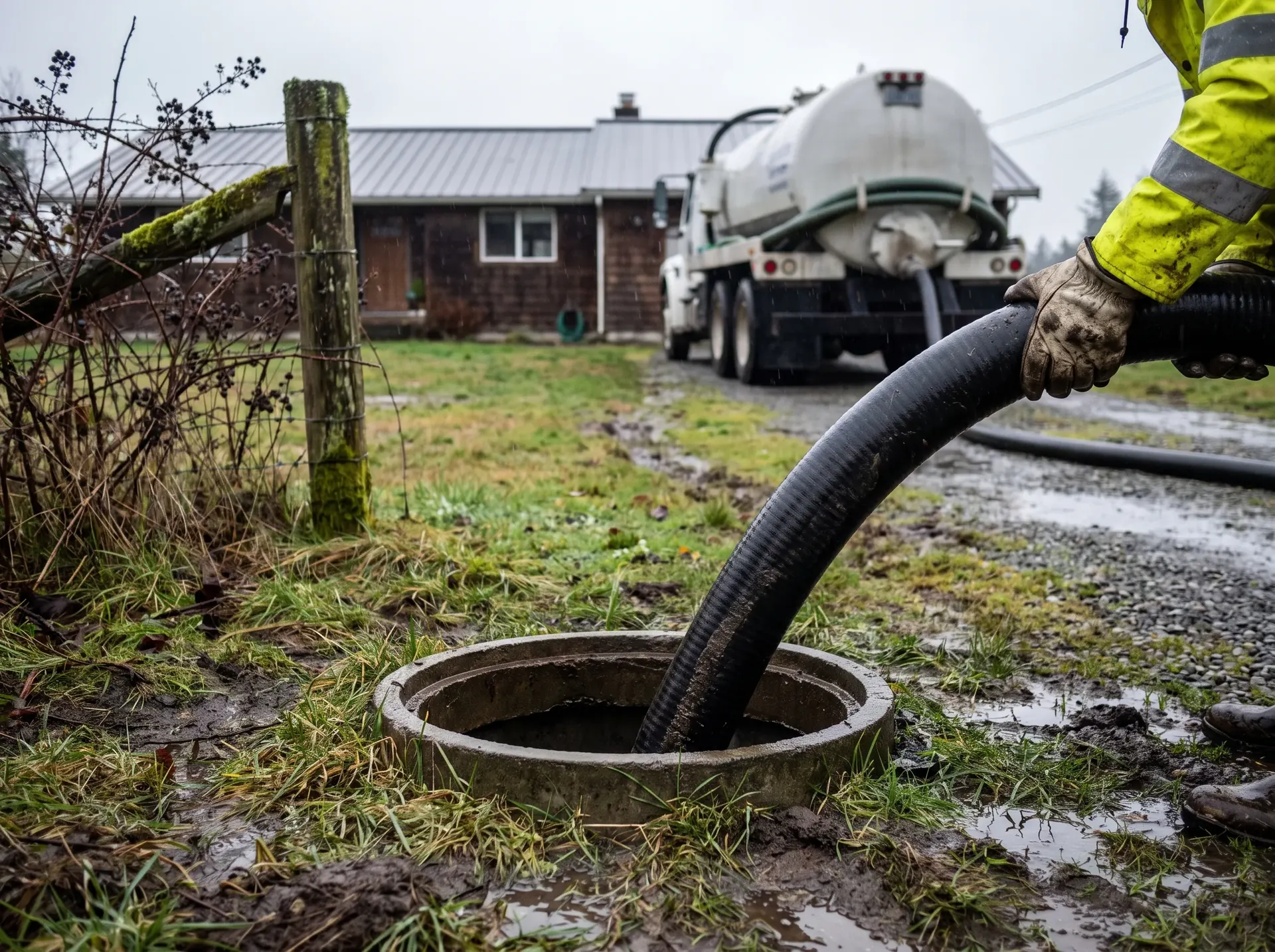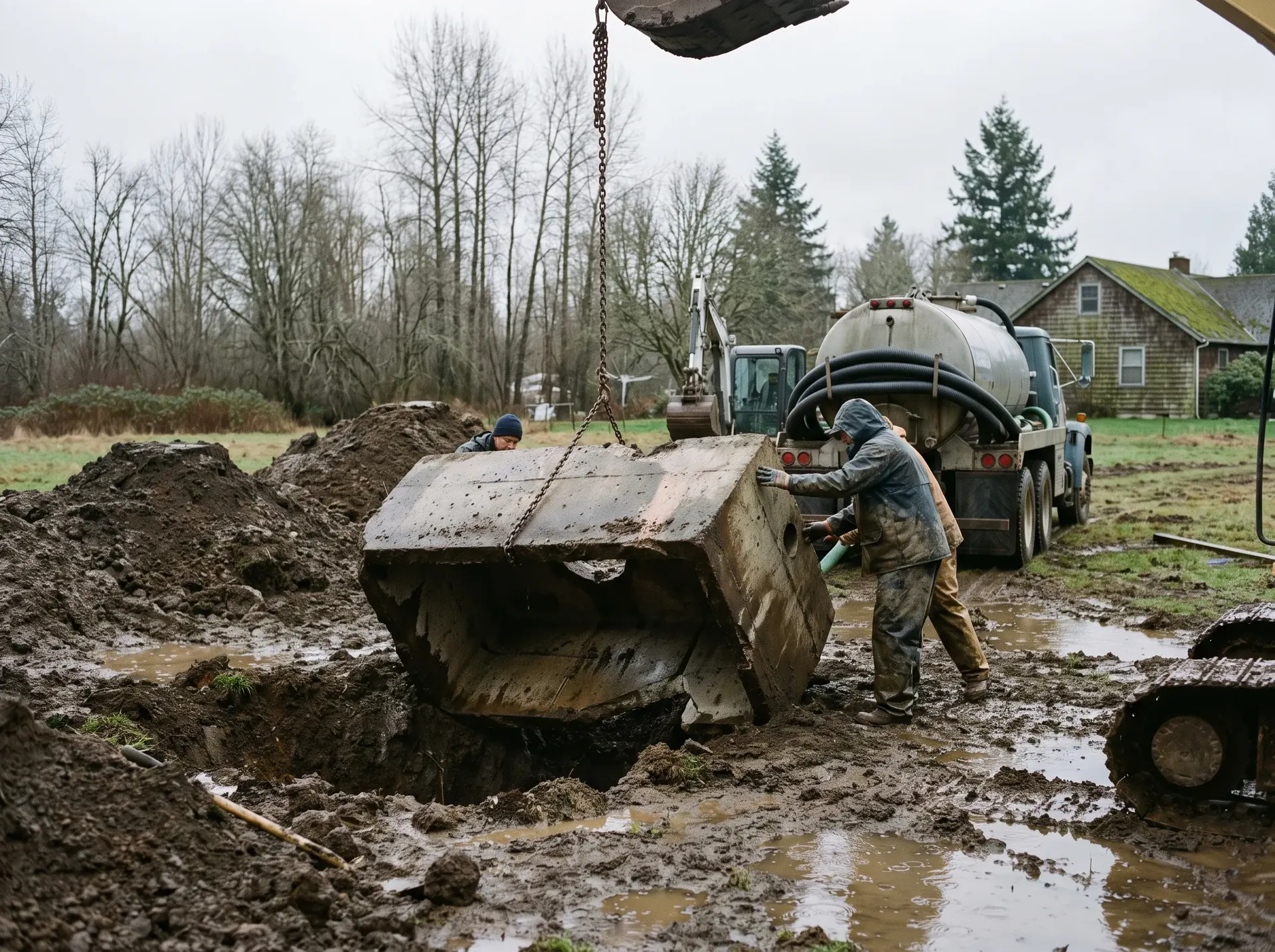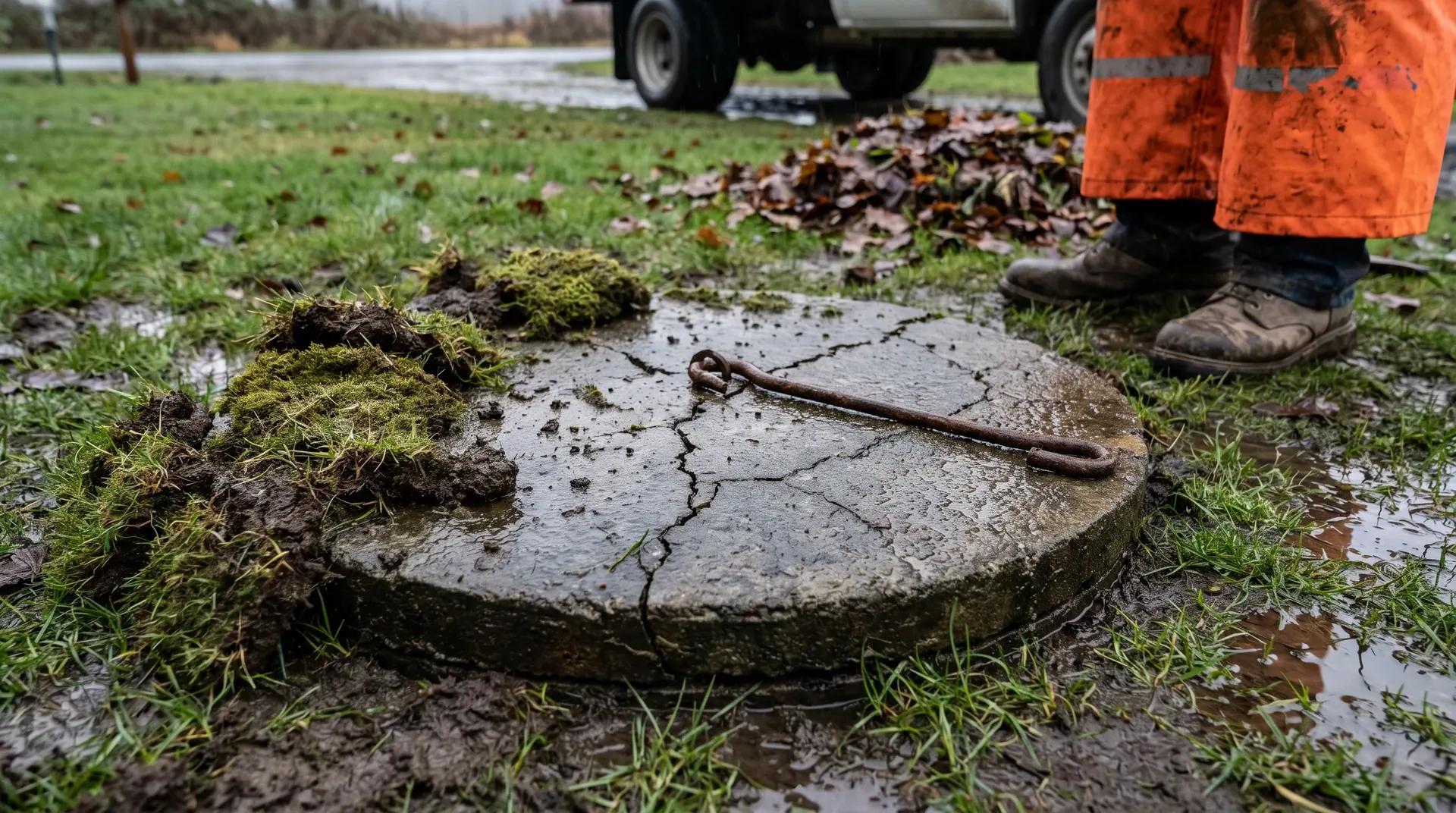
Sometimes, and it comes down to one question: is the soil clogged, or is something else overwhelming a field that would otherwise work?
If the soil itself has been clogged by years of solids carrying over from the tank, the field is finished. Soil that has been sealed in that way does not recover, because the clogging is biological and physical and it is throughout the material rather than on the surface of it.
If the field is being overwhelmed by something you can remove, it can very often come back.
That distinction is worth thousands of dollars, and it is why an assessment is worth doing before accepting a replacement quote.
The situations where a field comes back
The tank was overdue
The most common recoverable cause. A tank that has not been pumped in many years has been sending solids into the field. Catch it before the soil has fully sealed, pump the tank, and the field can often recover over months.
The effluent filter was blocked
Cheap, common, and produces symptoms that look like field failure. Clean or replace the filter and the system frequently returns to normal.
Groundwater, not effluent
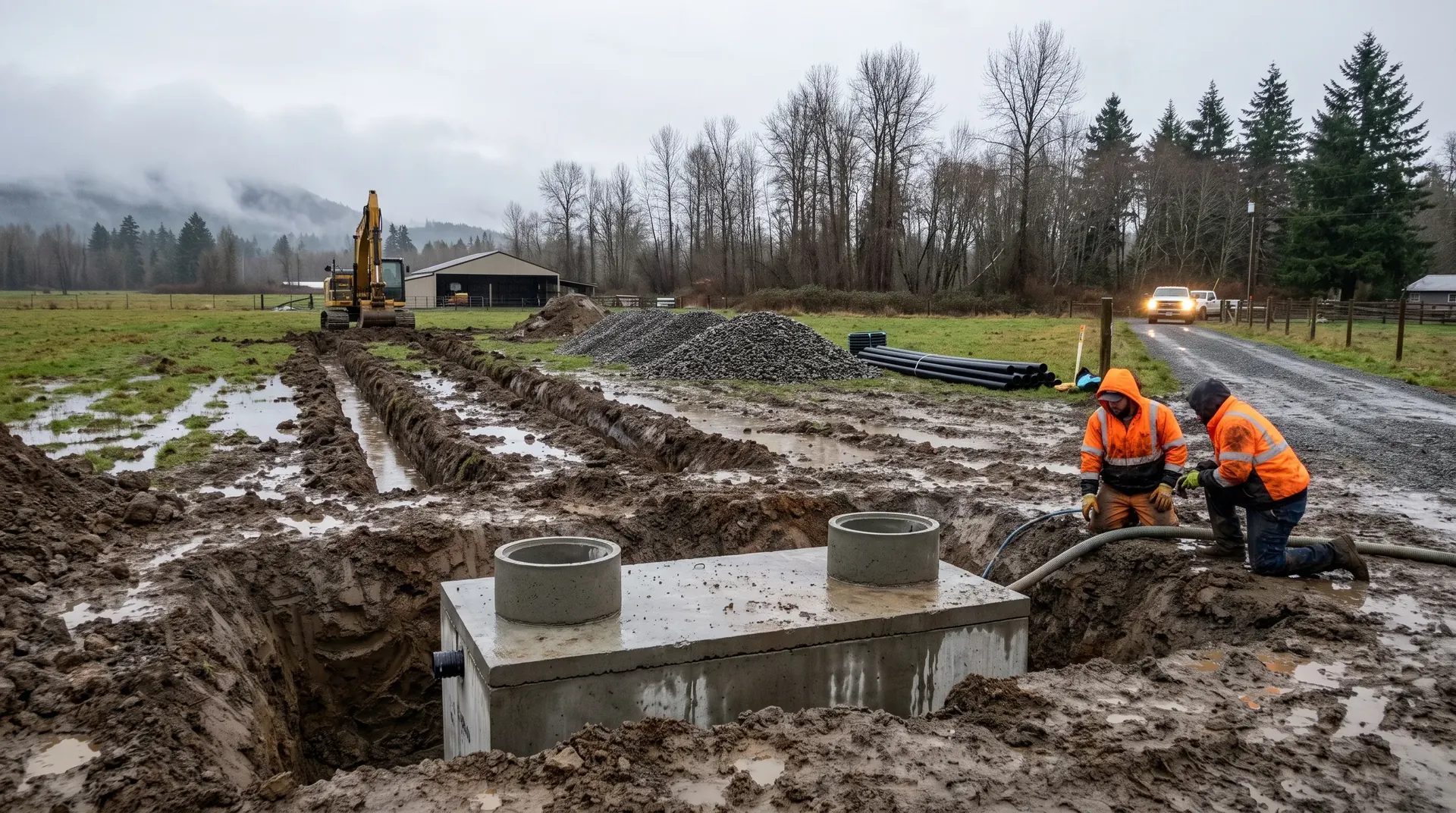
The specifically local one. On flat ground around Lynden, Ferndale, Everson and Sumas, a winter water table can rise to meet the trenches. The field has nowhere to discharge, not because it is clogged but because the soil is already full of water. Come summer it works again.
Surface water is being directed onto it
Roof runoff, driveway runoff or yard drainage discharging over the field. Redirecting it is among the cheapest interventions available and it can make a real difference on flat ground.
Uneven distribution
On some systems, most of the flow ends up in one trench rather than spread across all of them, so one section is overworked while the rest is barely used. Correcting the distribution can bring the whole field back into service.
The situations where replacement is the answer
The soil is genuinely clogged
Years of solids carryover have sealed the soil. Nothing reverses this. No additive, no jetting, no product.
The field is at the end of its design life
Fields do not last forever. An old field that has served a household well for decades can simply be finished.
It was undersized from the start
A field sized for a smaller house, or a house that has since been extended, is permanently overloaded. It will keep failing regardless of what is done to it.
It was built in unsuitable ground
Occasionally an older system was installed somewhere it should not have been, before requirements were what they are now.
Physical damage
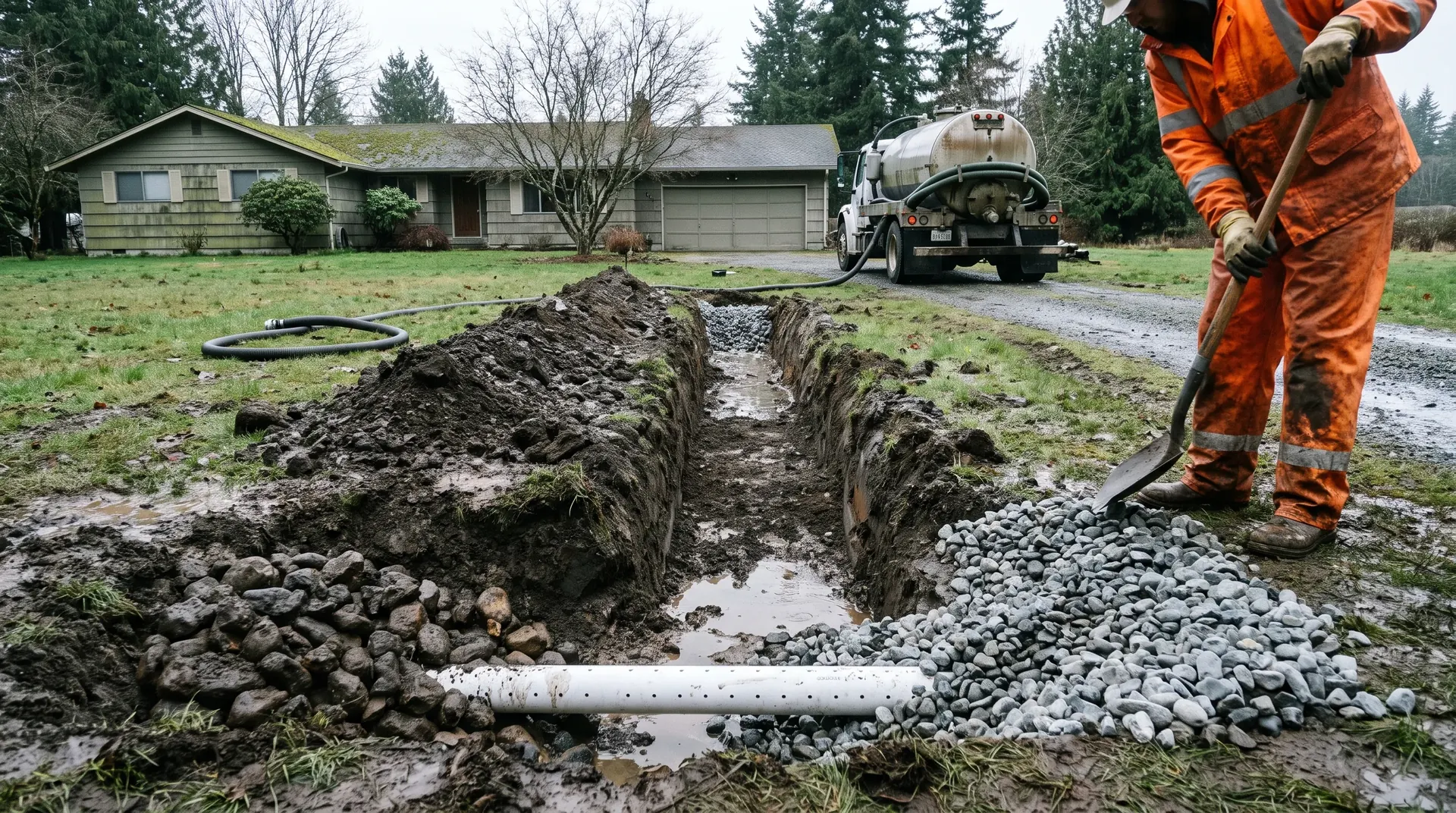
Crushed pipe from vehicles or compacted soil from parking and construction traffic. Sometimes a section can be replaced rather than the whole field.
How the assessment actually works
Timing is the first question. When did the symptoms start, and do they track with rainfall? A field that only misbehaves between November and March is telling you something completely different to one that misbehaves in August.
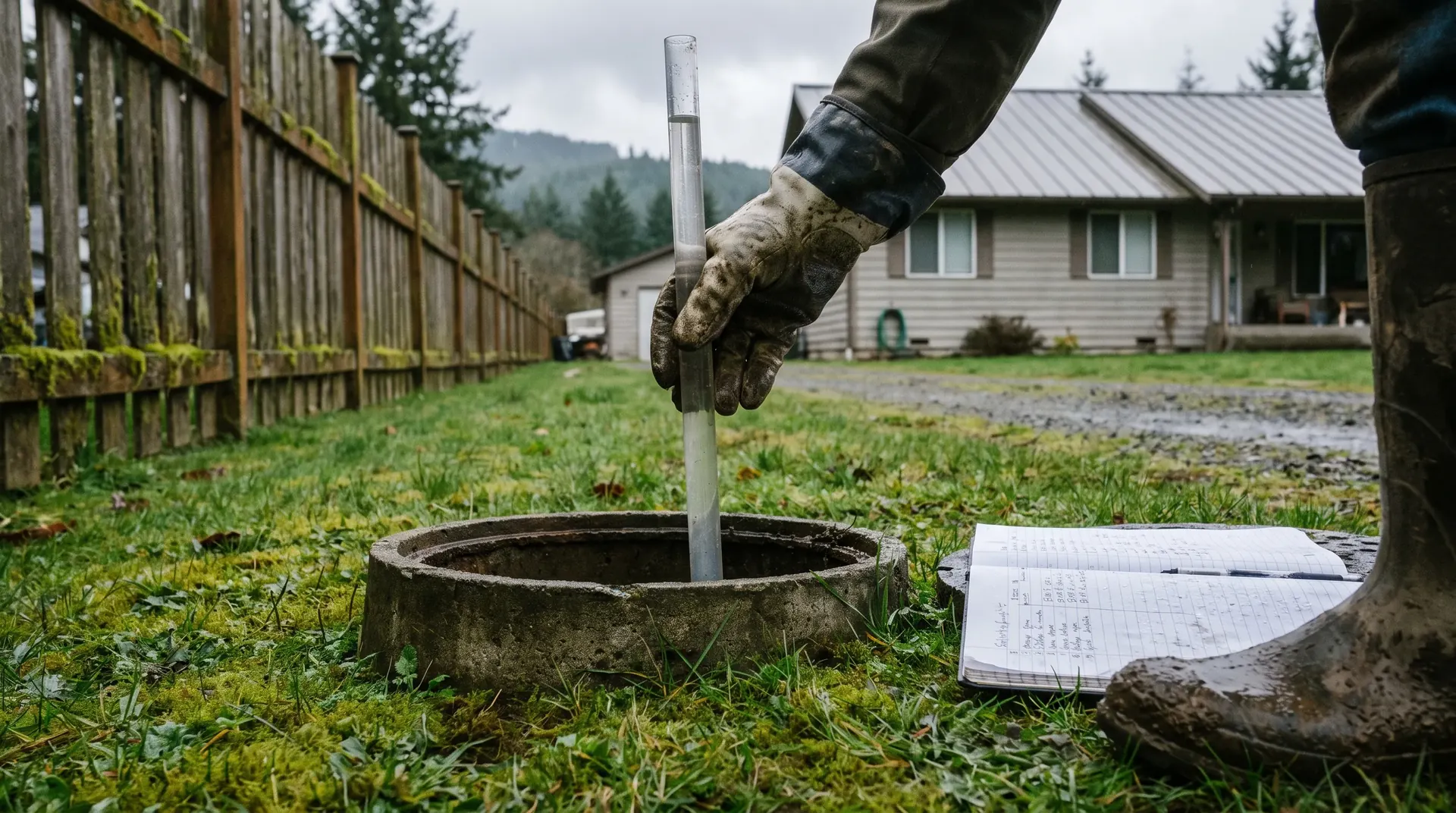
The tank comes next. Levels measured, filter checked, baffles inspected. If the tank has been feeding solids to the field, that has to be established before anything else, because a new field would go the same way.
Then the field itself. How much of it is affected, whether it is one trench or all of them, what the ground above is doing, and how the system accepts flow.
Then the yard. Where surface water goes, and whether anything has been driven or built on the field.
Only after all of that is a recommendation worth anything.
What to do
Get it assessed, and get it assessed before winter if you can. A field caught early, while the soil is only partly affected, sometimes recovers. The same field left another wet season often does not.
If you have already had a replacement quoted, it is entirely reasonable to get a second opinion. Ask whoever quoted it whether they measured the tank levels and checked the effluent filter. The answer tells you how much diagnostic work sits behind the number.
Our drain field repair and replacement page covers the assessment itself, septic tank pumping covers the most common recoverable cause, and septic system replacement covers what happens when the answer really is a new system.