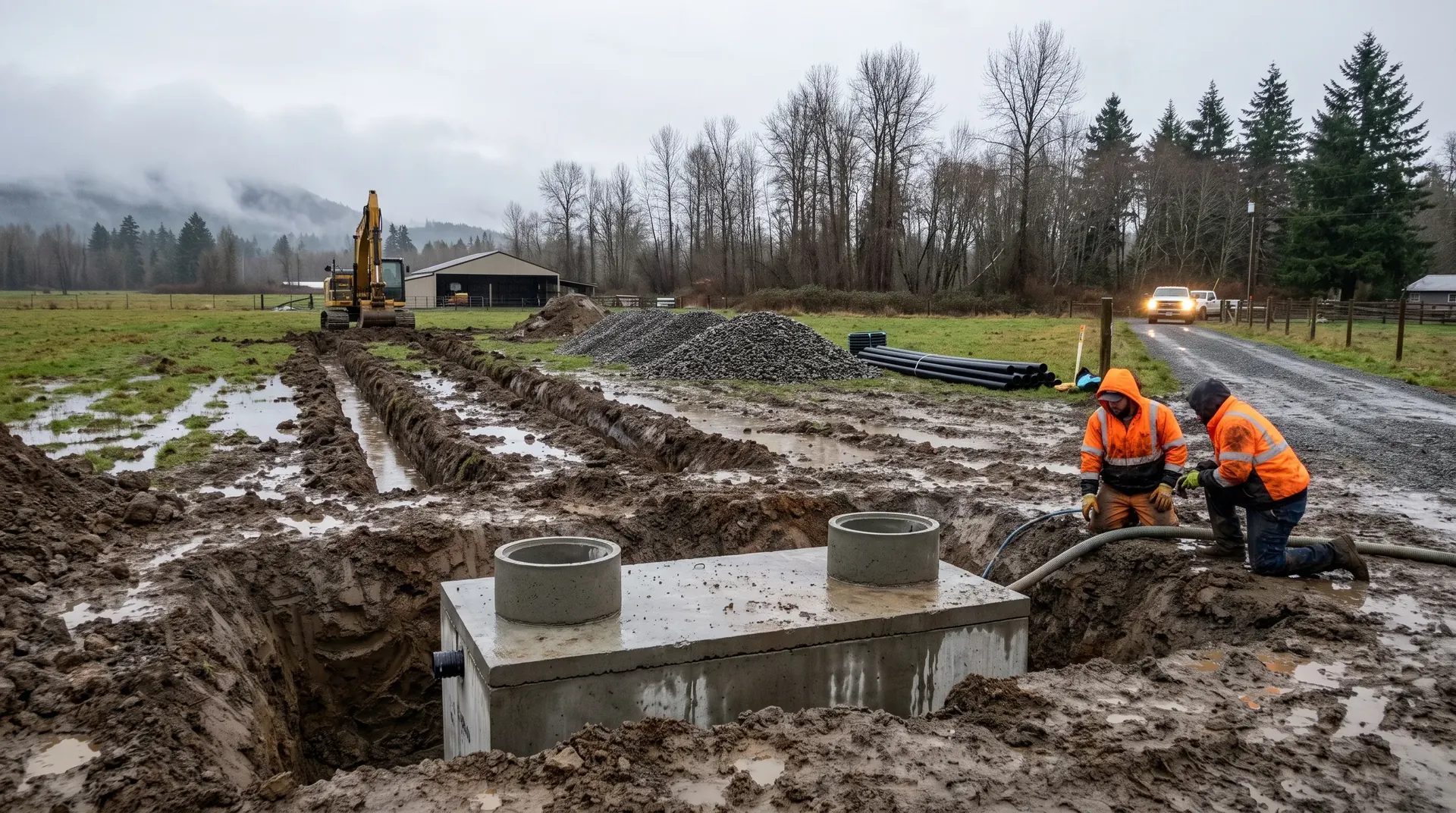
A septic system is really two things with two different lifespans, and lumping them together is what makes this question hard to answer.
The tank is a concrete box with no moving parts, and a well made one can last decades. The drain field is soil doing biological work, and it wears out. In practice the drain field is almost always what determines the life of the system.
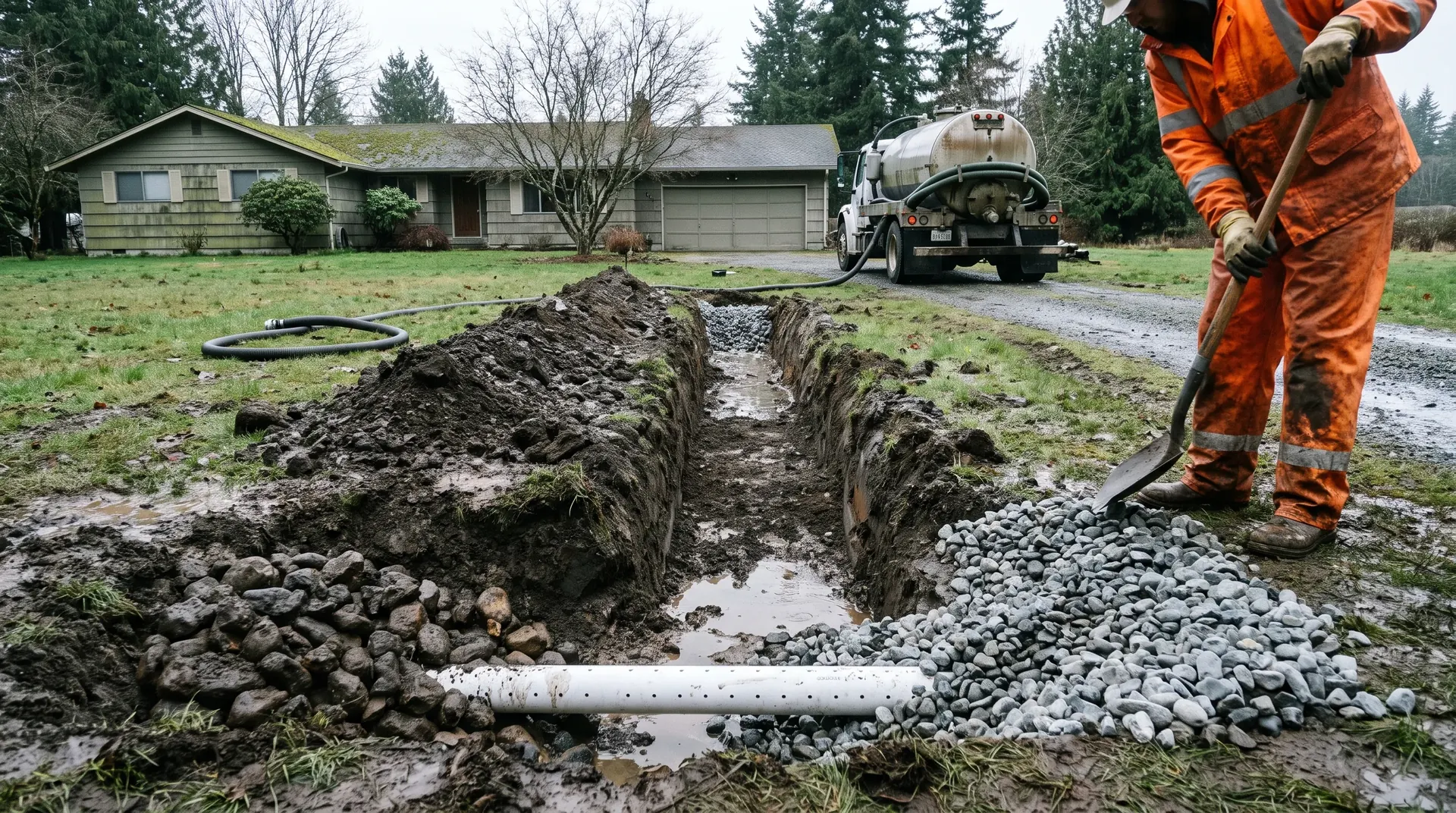
That matters because it changes what replacement means. A failed drain field on a sound tank is a much smaller job than replacing everything.
How long a tank lasts
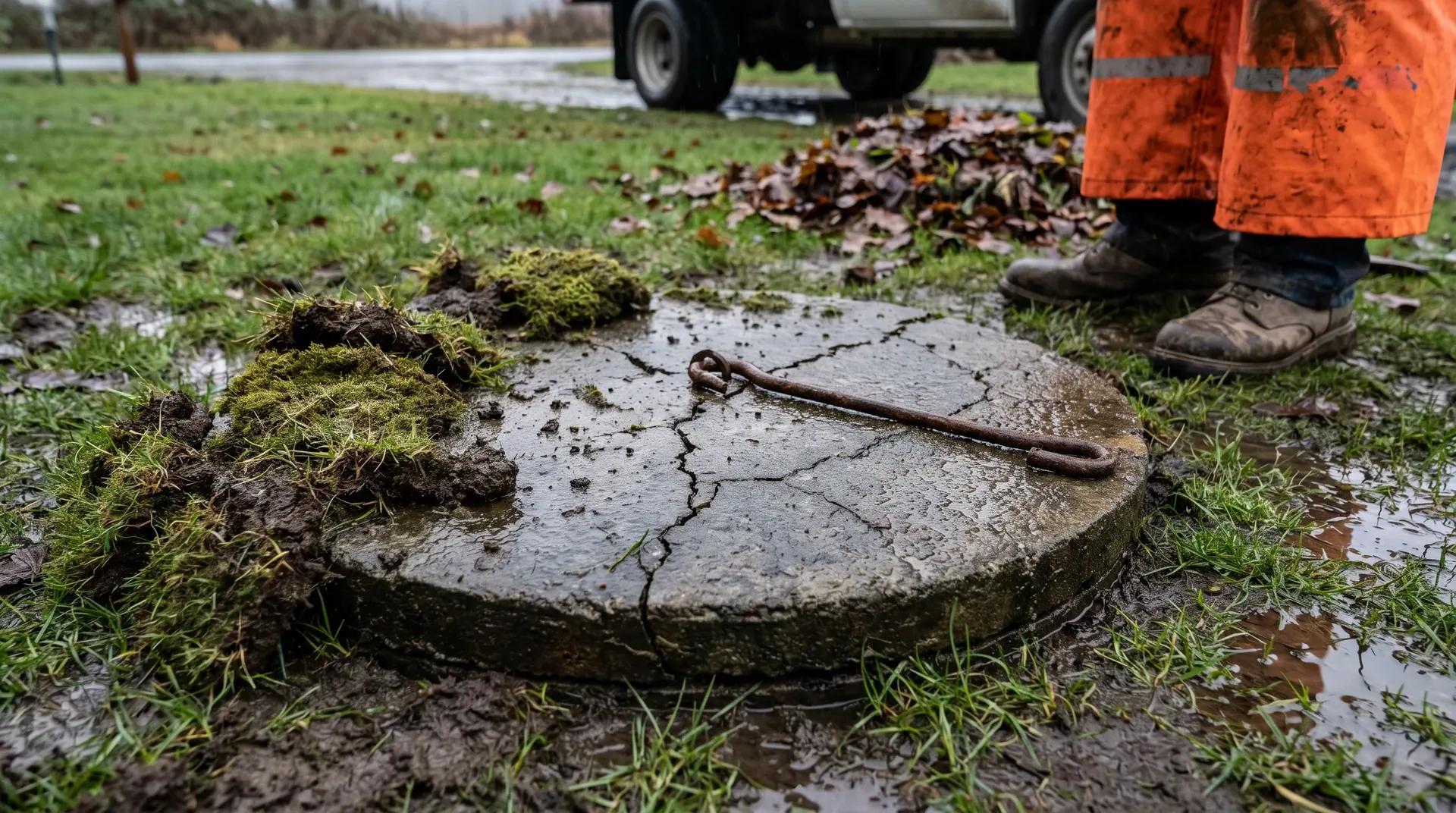
A concrete tank in reasonable ground, kept pumped, can last a very long time. Failures happen through structural cracking, deteriorated baffles, or root intrusion, and the first two are more often repairable than terminal.
What genuinely shortens a tank’s life is neglect. A tank running full of solids for years puts stress on components and lets corrosive conditions develop above the liquid line.
Older steel tanks are the exception. Steel corrodes, and a steel tank has a much shorter life than concrete. If you have one, it is worth knowing.
How long a drain field lasts
This is the limiting component and the honest answer is that it varies enormously, because it depends almost entirely on how much abuse the soil has taken.
The mechanism is simple. Effluent leaves the tank, soaks into soil, and the soil filters and treats it biologically. Over years, a layer develops at the soil interface that slowly reduces how quickly it can accept water. Manage it well and that process takes decades. Manage it badly and it takes years.
Three things shorten it faster than anything else.
Solids carrying over from an unpumped tank. By a wide margin the biggest cause. It clogs the soil directly and irreversibly.
Hydraulic overload. More water than the field was designed for, whether from household use, a leaking fixture, or surface water being directed onto it.
Compaction. Driving, parking or building on the field crushes pipe and compresses soil, and compacted soil does not recover.
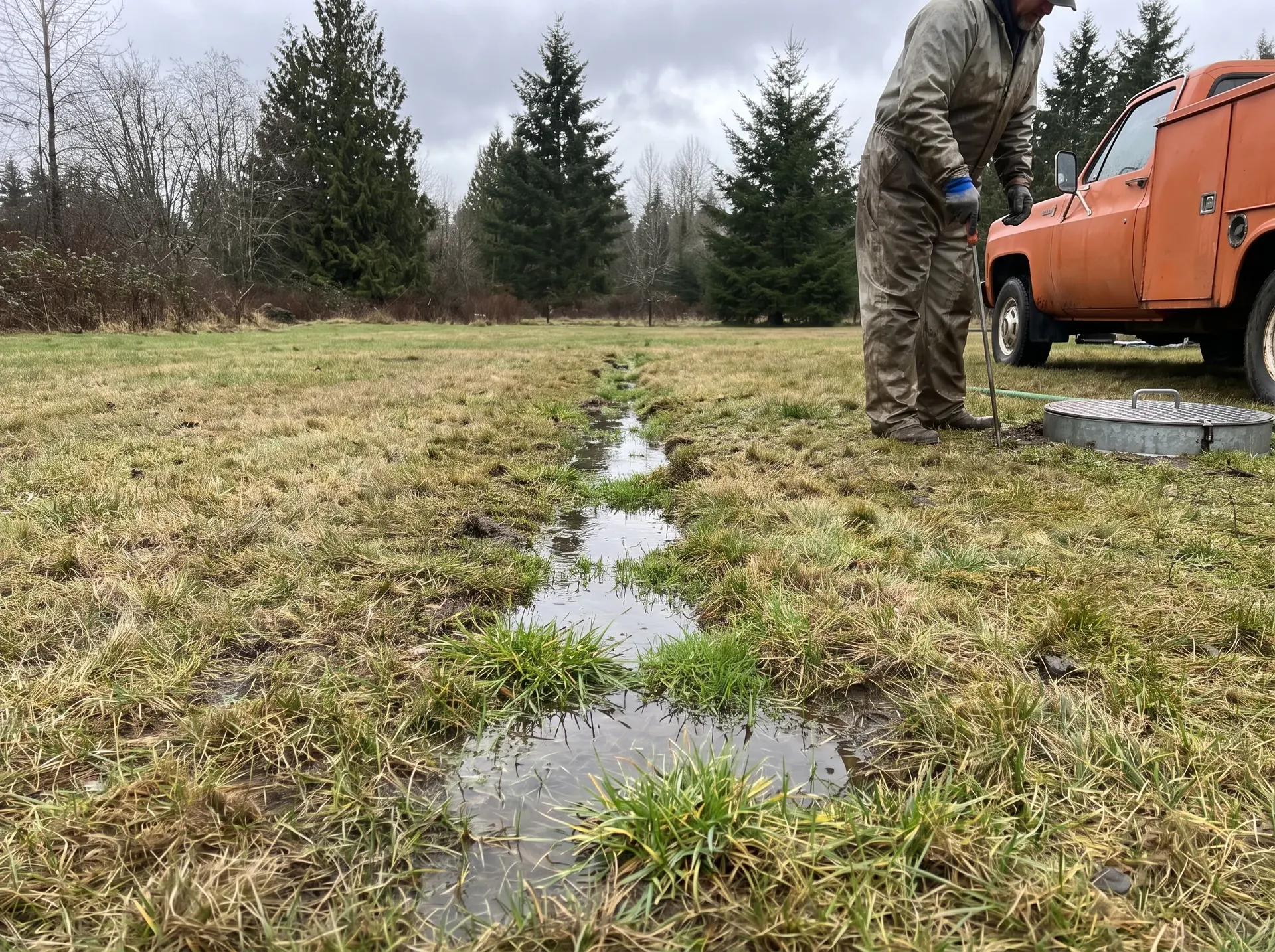
In Whatcom County there is a fourth. Fields that spend several months a year sitting in a high water table are working under conditions that reduce effective life, and there is nothing a homeowner can do about the water table itself. What you can do is keep everything else off the field, so the seasonal load is the only thing it has to cope with.
What genuinely extends it
Pump on schedule. The single highest value thing, by a distance. It is the difference between a field lasting decades and lasting years.
Clean the effluent filter. If your system has one, it is your field’s last line of defence and it costs almost nothing to maintain.
Keep water off the field. Redirect downspouts, do not irrigate over it, and fix leaking fixtures. On flat wet ground this matters more than most people realise.
Keep weight off the field. No vehicles, no trailers, no sheds, no raised beds. Grass over it and nothing else.
Spread water use out. Laundry through the week rather than all at once.
Keep the wrong things out. Wipes and grease shorten the life of everything downstream.
None of that is expensive. It is a maintenance habit, and it decides whether you replace a drain field once or never.
When to get it checked
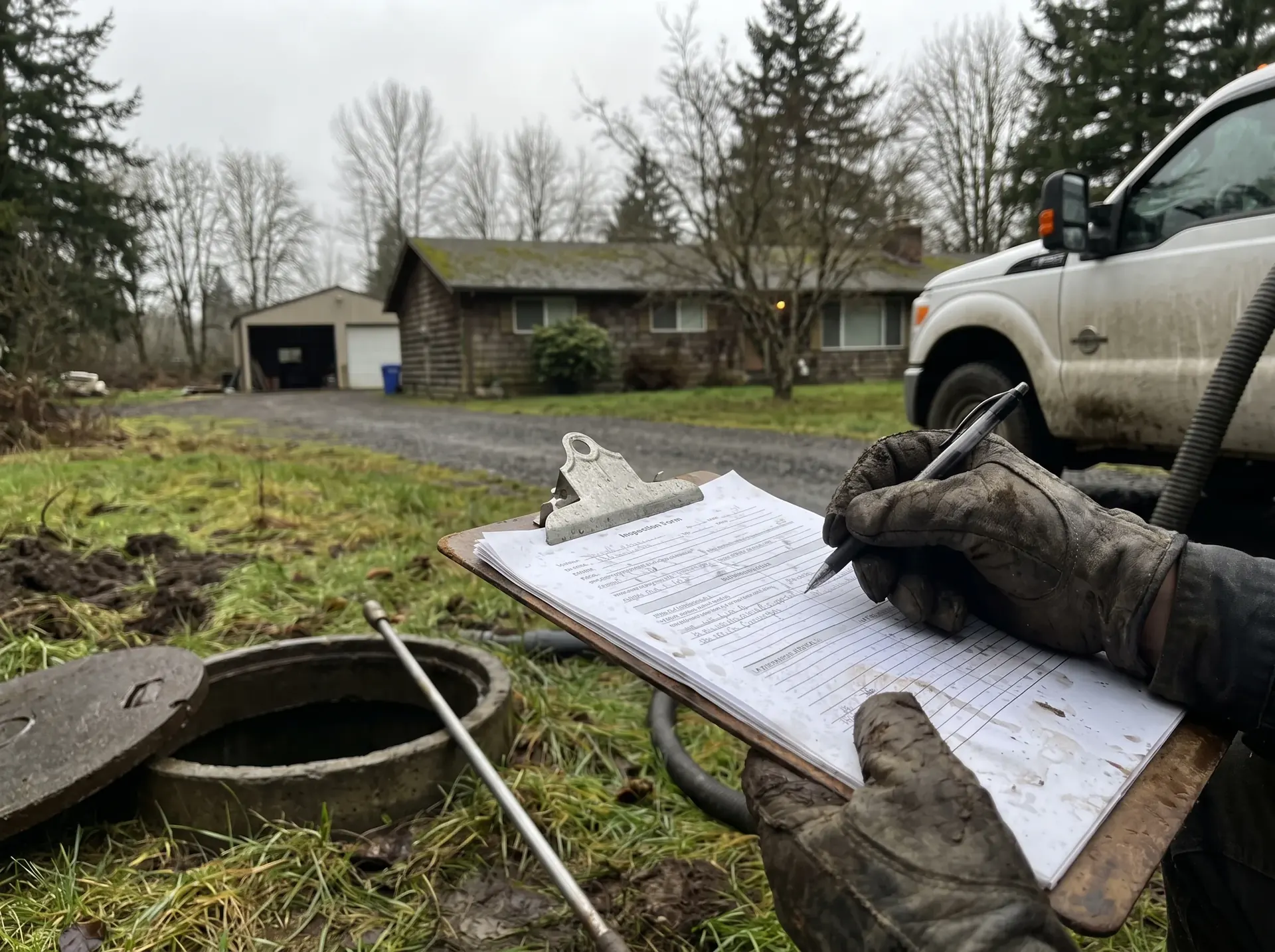
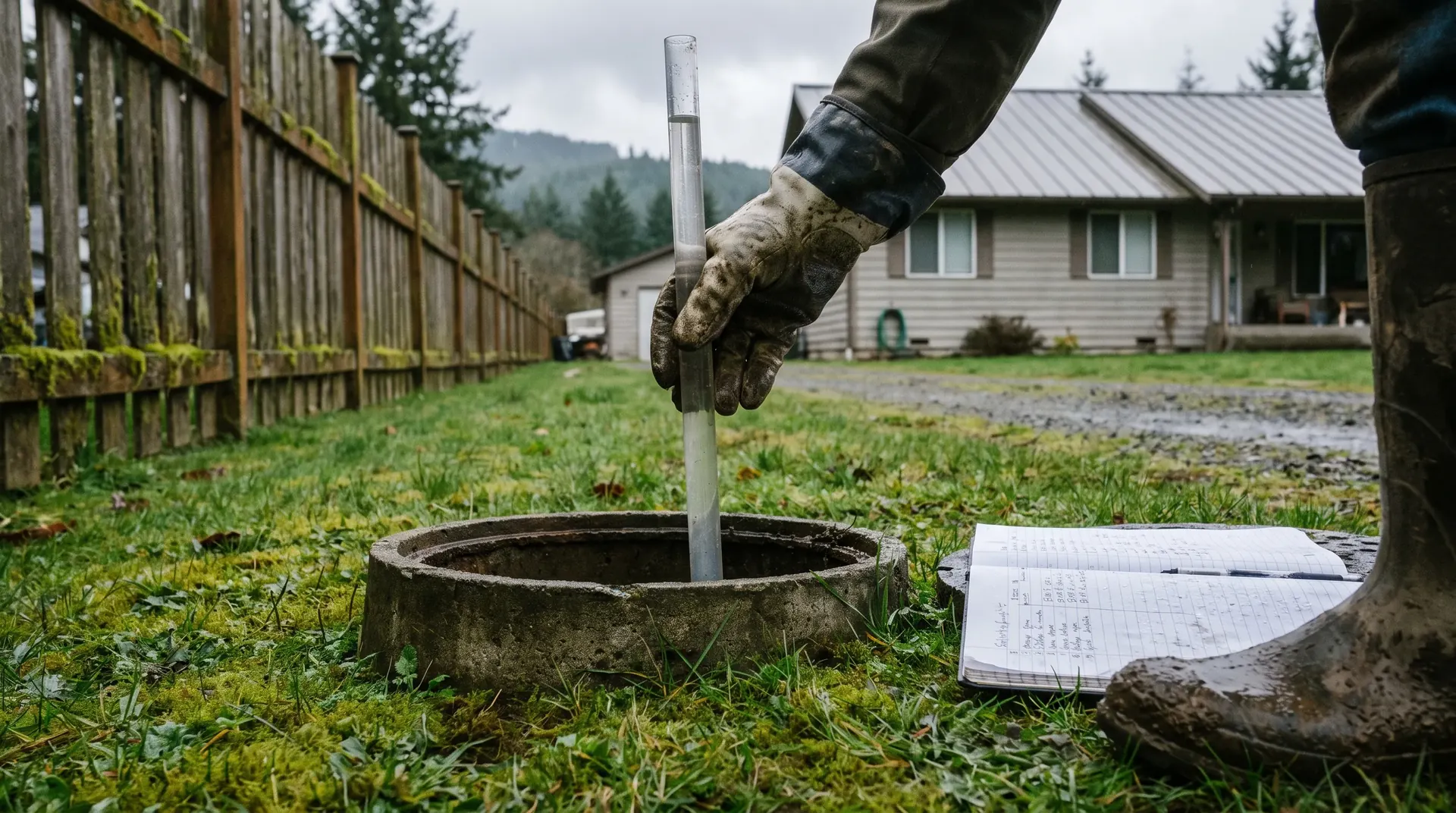
If you have an older system and no idea of its condition, an inspection tells you where you stand and roughly how much life is left. That is genuinely useful information if you are planning to stay, and essential if you are planning to sell.
If you have just bought a rural property, find out what you have inherited before it announces itself.
And if the system is showing symptoms, do not wait to see whether it settles down. Fields caught early sometimes recover.
A septic inspection is how you find out where you stand, and our drain field page covers what happens if the field is the part that is tired.